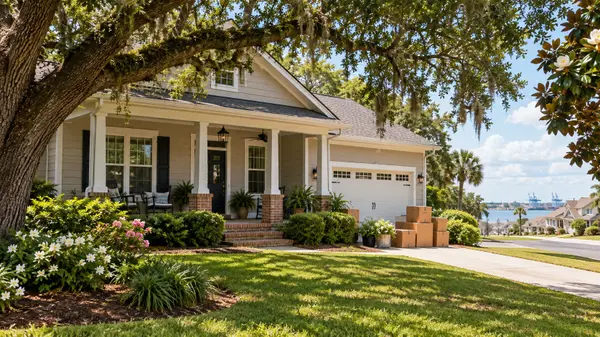
Downsizing in Mobile, AL: A Practical Guide
Downsizing in Mobile, AL can reduce the upkeep and monthly obligations of a larger home while turning home equity into a more flexible next step. The best move is not simply buying fewer square feet. It is choosing a home that fits your routine, budget, mobility needs, and plans for visitors or travel. Start by deciding what must come with you, then compare smaller-home options and sale timing before you commit.
Is Mobile, AL a Good Place to Downsize?
Yes, Mobile can be a practical place to downsize when the replacement home’s costs, maintenance needs, and access to daily services fit your routine.
-
Older-adult presence: People age 65 and older made up 17.4% of Mobile’s population in the U.S. Census Bureau’s 2020–2024 American Community Survey profile.
-
Smaller-home value: A current citywide median comparison for Mobile condos, townhomes, and detached homes was not sufficiently verifiable for this guide. Compare recent sales by neighborhood, building condition, and monthly ownership costs.
-
Property-tax framework: Under Alabama Department of Revenue guidance accessed October 9, 2026, qualifying owner-occupied single-family residential property is assessed at 10% of appraised value before local millage and applicable exemptions.
-
Downtown access: Mobile’s downtown transportation routes can support selected errands and appointments, although schedules and stops should be confirmed before they become part of a daily routine.
-
Lifestyle fit: A smaller home can leave more time for waterfront outings, dining, healthcare visits, cultural events, and family rather than yardwork and repairs.
Downsizing in Mobile, AL by the Numbers
-
Condo or townhome sale price: A consistent, current citywide median was not sufficiently verifiable. Building-level sales and active listings provide a more useful comparison.
-
Single-family home sale price: The usable equity gap depends on your home’s likely sale range, mortgage payoff, seller expenses, and the replacement property’s total cost.
-
Residents age 65 and older: 17.4% of Mobile residents were age 65 or older in the U.S. Census Bureau’s 2020–2024 profile.
-
Residential assessment ratio: Alabama Department of Revenue guidance accessed October 9, 2026 states that qualifying owner-occupied single-family residential property is assessed at 10% of appraised value before local millage and exemptions are calculated.
Why People Downsize in Mobile, AL
Downsizing in Mobile, AL is often a practical response to a home that no longer matches daily life. Unused bedrooms, a large yard, stairs, repairs, and rising insurance or maintenance costs can make a family-sized house feel more demanding than rewarding. For other owners, the goal is to convert some home equity into savings, travel funds, or a home with a simpler layout.
The price difference between a four-bedroom detached home and a two-bedroom condo or townhome varies widely in Mobile. Location, building age, parking, association rules, insurance obligations, and renovation level matter more than a broad citywide estimate. Use property-specific recent sales to compare your expected net proceeds with the complete cost of the next home, including association dues, taxes, utilities, and moving expenses.
Alabama’s owner-occupied residential assessment structure can also affect planning. Qualifying single-family homes are generally assessed at 10% of appraised value before local millage is applied. Homestead relief may be available to eligible owners, but the outcome depends on the property and the owner’s qualifications. Use current Alabama Department of Revenue assessment guidance and a parcel-specific estimate when building a budget around property taxes.
Your Downsizing Options in Mobile, AL
Downsizing in Mobile, AL offers several housing paths, and the right one depends on how much maintenance, privacy, accessibility, and flexibility you want.
Condominiums can suit owners who want shared exterior maintenance and a compact footprint. Review monthly dues, master-insurance coverage, reserves, parking, elevator access, pet rules, and rental restrictions before moving forward. Townhomes may offer more storage and separation, although exterior responsibilities differ from one association to another.
Patio homes and smaller detached homes appeal to people who still want a private entrance and manageable outdoor space. They can reduce the scale of upkeep without adding the shared-building rules that come with a condominium. The trade-off is that more maintenance may remain the owner’s responsibility.
Independent-living and continuing-care settings serve a different purpose. They may combine housing with meals, transportation, activities, or future support, but monthly charges and contract terms vary considerably. Ask for a written outline of services, renewal terms, and responsibilities before comparing one of these options with conventional ownership.
When reviewing potential homes, focus on room dimensions, parking, entry steps, storage, and community rules, not simply bedroom count.
Downsizing Housing Types Overview
For most Mobile downsizers, the key trade-off is between reduced exterior maintenance and the recurring costs or rules that can come with shared-community housing.
| Housing Type | Typical Price Range | Avg. HOA / Month | Maintenance Responsibility | Best For |
|---|---|---|---|---|
| Condominium | Varies by building, condition, and location | Varies by association and included services | Association commonly manages exterior and shared areas | Owners seeking less exterior upkeep |
| Townhome | Varies by neighborhood, size, and association rules | Varies by association and common-area obligations | Shared or owner responsibility, based on governing documents | Buyers wanting more separation and storage |
| Patio home | Varies by lot, age, and renovation level | May have no HOA or a community-specific fee | Owner responsibility is usually greater | People wanting a smaller detached-home lifestyle |
| Independent living | Contract and service based | Monthly service charges vary by community | Services depend on the community agreement | Residents prioritizing meals, activities, or transportation |
| Continuing-care community | Contract and care-level based | Entry and monthly charges vary | Duties are set by contract | Households planning for future support needs |
Use current building- or community-specific listings, association documents, and written fee schedules when comparing ownership costs.
The Financial Side of Downsizing
Downsizing in Mobile, AL starts with net proceeds, not the sale price. Begin with a realistic sale range for your current home. Then subtract the mortgage payoff, agreed seller costs, moving expenses, property preparation costs, and any charges that continue through closing. The remaining amount is what you can apply toward the next home, cash reserves, or other goals.
Federal tax rules may affect the result. IRS Publication 523 (2025) states that eligible homeowners may exclude up to $250,000 of gain, or up to $500,000 for many married couples filing jointly, subject to ownership, use, and other requirements. Review IRS Publication 523, current IRS guidance, and a qualified tax professional before relying on the exclusion.
For property taxes, Alabama generally applies local millage after calculating assessed value. Qualifying owner-occupied single-family residential property is assessed at 10% of appraised value under Alabama Department of Revenue guidance accessed October 9, 2026, and homestead exemptions may apply when eligibility requirements are met. Because millage and exemptions vary by parcel, request a tax estimate for the specific home you are considering rather than relying on a countywide average.
Use a property-specific sale range, rather than a general estimate, to organize your expected proceeds and replacement-home budget.
Don't Overlook These Downsizing Costs
-
Association charges: Some communities charge transfer, move-in, capital-contribution, document, or elevator-reservation fees. Request the complete fee schedule before committing.
-
Temporary storage: A gap between closing and move-in can require storage. Obtain quotes based on the size of the unit and expected duration.
-
Decluttering services: Estate-sale, hauling, donation pickup, packing, and consignment services have different timelines and fee structures. Get written terms before scheduling.
-
Condo insurance: A unit policy may cover responsibilities that differ from a detached-home policy. Compare coverage with the association’s master-policy documents.
-
Cash-purchase tax effects: Paying cash can simplify the transaction, but it may change whether mortgage interest affects your tax situation. Discuss that decision with a tax professional.
What to Keep, What to Let Go
The simplest way to downsize is to measure first and sort second. Get the new home’s floor plan, measure rooms, doors, closets, and key furniture, then decide what truly fits. A dining table needs space for chairs and movement, not just enough wall-to-wall length.
Use four categories: Keep, sell, donate, and discard. Start with duplicates, unused furniture, old paperwork, seasonal items, and belongings that have stayed boxed for years. Photograph sentimental pieces before passing them along when the memory matters more than the object.
Local donation centers and charitable organizations may accept usable household goods, subject to condition requirements. Consignment and estate-sale services can help with resale-worthy pieces, but pickup policies, timelines, and fees differ. Call ahead before transporting items.
Give yourself room for the emotional side as well. Downsizing does not mean erasing family history. It means choosing which possessions belong in the next home and which can continue their story elsewhere.
Timing Your Downsize in Mobile, AL
Timing your downsize in Mobile, AL works best when you identify realistic replacement-home choices before listing your current property. Listing too early can create storage and temporary-housing costs. Waiting too long can leave you choosing a smaller home under pressure.
A current, citywide source for condo inventory, townhome inventory, days on market, and list-to-sale ratios was not sufficiently verifiable for this guide. Compare active inventory and recent sales for the exact property type and area you want before setting a list date.
If you need proceeds from your current home for the next purchase, discuss timing early. A longer closing period, temporary housing, or a negotiated occupancy arrangement may preserve flexibility, depending on the transaction terms. Financing options also depend on personal qualifications and lender requirements, so address those questions before making an offer.
Pro-Tip: The common mistake is selling the family home before identifying realistic smaller-home choices, so begin touring, measuring, and budgeting before your preferred move window becomes urgent.
Ready to Downsize in Mobile, AL?
Sheri Jones works with downsizers across Mobile, Biloxi, and Gulfport, helping them sell the family home at the right price and move into a smaller space without managing both transitions alone. Call or text 1 2513775974 to start the conversation.
Frequently Asked Questions About Downsizing in Mobile, AL
What is the best type of home to downsize into in Mobile, AL?
The best choice depends on the amount of upkeep, privacy, storage, and accessibility you want from your next home. Condos can reduce exterior responsibilities, while townhomes, patio homes, and smaller detached homes may offer more separation or room for belongings.
How much equity can I expect to free up by downsizing in Mobile, AL?
Your available equity is the amount left after your sale proceeds cover the mortgage payoff, seller costs, moving expenses, and the cost of your replacement home. Because a reliable current citywide comparison is not available, a property-specific sale estimate is more useful than a general percentage.
Are there property tax benefits for seniors or retirees in Mobile, AL or this state?
Eligible owners may qualify for homestead exemptions, and Alabama Department of Revenue guidance accessed October 9, 2026 describes a 10% assessment ratio for qualifying owner-occupied single-family residential property before local millage. Confirm eligibility and the parcel-specific tax result with the local revenue office.
Should I sell my current home before buying a smaller one in Mobile, AL?
Selling first can clarify your available proceeds and reduce the risk of carrying two homes, although it may require temporary housing. Buying first can provide more time to move, but it may add financing and timing pressure.
What 55+ or active-adult communities are available near Mobile, AL?
Availability and admission standards can change, and some communities offer services rather than traditional age-restricted ownership. Compare current options by monthly charges, rules, accessibility, and proximity to the places you use most.
Recent Posts