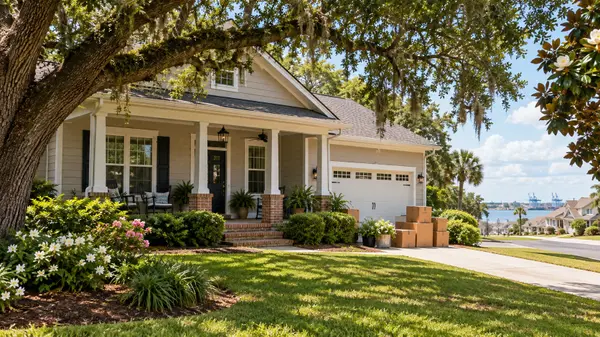
Selling Your Home in Mobile, AL: Step-by-Step Guide
Selling a home in Mobile, AL typically takes 60 to 90 days from listing to closing, though the timeline varies by price point, condition, and how well you prepare before going to market. Sellers who work through each stage systematically, pricing accurately, preparing the property, and negotiating strategically, tend to close faster and net more than those who skip steps. This guide covers each stage in sequence.
What the Mobile, AL Market Looks Like for Sellers
Mobile's residential market spans a wide range of price points. At the entry-to-mid-range segment, properties have historically concentrated in the $180,000 to $200,000 band, though median values across all Mobile home types were trending above $200,000 as of mid-2026 per aggregated MLS listing data (twelve months ending June 2026). That price point means your buyer pool is broad, including first-time buyers, relocating families, and investors, but it also means buyers are sensitive to condition and pricing. Overpricing by even 5% can push a listing into a slow-moving bracket where price reductions become necessary.
A few characteristics define selling in Mobile specifically:
- Flood zone exposure. Mobile County includes FEMA-designated flood zones. Your buyer's lender may require flood insurance, which can affect affordability. Confirm your property's flood zone status before listing using the FEMA Flood Map Service Center, the official federal source for flood hazard mapping.
- Termite history. Alabama's humid climate makes termite activity a common concern. Having a current termite bond in place is a standard seller advantage in this market.
- Coastal insurance costs. Proximity to the Gulf of Mexico means homeowners insurance premiums vary significantly by location and structure. Buyers will factor this into their total monthly cost.
- Seasonal demand patterns. Like most Southern markets, Mobile sees stronger buyer activity in spring and early summer. Listing before peak season typically produces more showing traffic.
Step 1: Price Your Home Accurately
Accurate pricing is the single most important decision you make as a seller. A home priced correctly from day one attracts qualified buyers quickly. A home priced too high sits, accumulates days on market, and eventually sells for less than it would have at the right price.
The standard tool for pricing is a comparative market analysis (CMA), which compares your property against recently sold homes with similar size, condition, location, and features. A CMA looks at closed sales, not just active listings, because active listing prices reflect seller aspirations, not what buyers are actually paying.
For a Mobile home priced in the entry-to-mid range, the relevant comparables are typically within a half-mile to one-mile radius, sold within the last three to six months, with similar square footage and bedroom count. Adjustments are made for differences in lot size, updates, garage, and condition.
Pricing strategy also depends on current inventory. In a low-inventory environment, pricing at or slightly below market value can generate multiple offers and drive the final sale price higher. In a balanced or buyer-favoring market, you have less room to test the ceiling.
Step 2: Prepare the Property for Listing
Preparing your Mobile home for listing comes down to three priorities: cosmetic repairs with a clear return on investment, thorough cleaning and decluttering, and professional photography. Buyers form strong impressions quickly, and in Mobile's market, where buyers are price-conscious, a well-presented home stands out against less-prepared competition.
Prioritize repairs with a clear return on investment. Cosmetic updates, fresh neutral paint, refinished floors, and landscaping improvements typically recover their cost in sale price. Major structural or system repairs (roof, HVAC, electrical) often need to be addressed not because they increase value dollar-for-dollar, but because buyers and their agents will use them as negotiating leverage if left unresolved.
Deep clean and declutter. Well-maintained homes photograph better and show better. Remove personal items that make it harder for buyers to picture themselves in the space.
Professional photography makes a measurable difference. Listing photos are most buyers' first look at your home, and low-quality images reduce showing traffic regardless of the property's condition.
Curb appeal matters. In Mobile's neighborhood-centric market, the front of the home sets expectations before a buyer walks through the door. Maintain the yard, freshen mulch, clean the exterior, and address any obvious deferred maintenance visible from the street.
Step 3: List Your Home and Market It Effectively
Your home needs to be on the MLS to reach the widest possible buyer pool. MLS listings reach buyers working with agents across the area, and an agent-listed property benefits from professional network exposure that an unlisted home cannot replicate.
A strong listing includes:
- Accurate square footage and room count
- High-quality photos, ideally 25 or more for a typical Mobile home
- A listing description that highlights specific features buyers care about: updates, storage, yard, garage, school zone, proximity to I-10 or downtown Mobile
- Flood zone disclosure, so buyers with lenders are not caught off guard later
- Termite bond information, if applicable
Listings should go live on a Thursday or Friday to maximize weekend showing traffic. Open houses in the first weekend on market tend to generate the most concentrated buyer activity.
Before finalizing your pricing and positioning strategy, reviewing active listings in the Mobile area can help you understand how your home compares on price, condition, and features.
Step 4: Review Offers and Negotiate
When offers come in, price is not the only variable to evaluate. A well-structured offer at slightly below asking can be stronger than a higher offer with problematic terms.
Key terms to evaluate in every offer:
| Term | What Sellers Should Know |
|---|---|
| Purchase price | Weigh against your asking price and recent comparable sales, not just the headline number. |
| Financing type | Conventional loans move more predictably than some government-backed programs. Cash offers eliminate financing contingency risk entirely. |
| Earnest money deposit | A larger deposit signals a more committed buyer and provides more protection if the deal falls apart. |
| Closing timeline | Confirm it aligns with your own move-out needs before accepting. |
| Contingencies | Standard contingencies protect the buyer. Fewer contingencies, or shorter contingency windows, generally favor the seller. |
| Seller concessions | Following the August 2024 NAR settlement, buyer's agent compensation has been negotiated directly between buyer and their agent since August 2024. Sellers may still receive concession requests to help buyers cover their costs. Factor these into your net proceeds calculation. |
Counter-offers are normal. Most transactions involve at least one round of negotiation. The goal is to reach a signed contract with terms you can execute cleanly.
Step 5: Navigate the Contract-to-Close Period
Once you have a signed contract, the transaction moves into a defined timeline with several milestones. This is the period where deals either close smoothly or fall apart, and preparation during the listing phase reduces the risk of delays or contract failures during this time.
What to expect:
| Milestone | Who's Involved | What Sellers Should Know |
|---|---|---|
| Buyer's financing | Buyer, lender | Lender verifies income, assets, and creditworthiness. Delays here are common and largely outside your control. |
| Title search | Title company or attorney | Confirms you hold clear ownership and no outstanding liens. Resolve any title issues quickly to avoid closing delays. |
| Closing disclosure | Lender, title company | Issued to the buyer before closing. You receive a parallel settlement statement showing your net proceeds. |
Alabama does not require a real estate attorney to close, but title companies or attorneys commonly handle the closing process. You will sign documents transferring ownership, receive your net proceeds, and the deed is recorded with the county.
Seller closing costs in Alabama typically run in the range of 2% to 4% of the sale price, covering items such as title fees, recording fees, and any agreed concessions. On a home in the $180,000 to $200,000 range, that translates to roughly $3,600 to $8,000 in seller-side costs, depending on what you have agreed to in the contract.
Step 6: Required Paperwork and Disclosures
Alabama operates under a caveat emptor ("buyer beware") framework, which means sellers are not required to provide a comprehensive disclosure form in most cases. However, this does not mean sellers can conceal known defects.
Under Alabama Code Section 6-5-102, as interpreted by Alabama courts, sellers must disclose known issues in three specific situations:
- Known defects that pose health or safety risks (such as lead paint, mold, or structural problems)
- A fiduciary relationship between seller and buyer, as in a dual-agency arrangement
- A buyer directly asks about a specific condition and the seller fails to respond honestly
The Alabama Real Estate Commission publishes detailed guidance on these obligations at arec.alabama.gov.
Federal requirements apply regardless of state law. If your home was built before 1978, you are required to provide lead-based paint disclosure documents to the buyer.
Documents involved in a standard Alabama home sale:
- Signed purchase agreement
- Lead-based paint disclosure (if applicable)
- Property deed
- Closing statement and settlement disclosure
- HOA documents, if the property is part of an association
- Proof of any repairs or renovations completed
- Survey or survey affidavit confirming property boundaries
A licensed real estate agent manages the paperwork flow and coordinates with the title company. This ensures all required documents are completed accurately and on time, reducing your legal exposure significantly compared to managing the transaction independently.
Why Local Expertise Matters in Mobile
Working with an agent who knows Mobile is a distinct advantage for sellers. The data on agent-assisted sales versus independent sales is consistent: homes sold with agent representation typically net more than those sold without, even after accounting for the commission. The reason is a combination of accurate pricing, broader market exposure, professional negotiation, and fewer costly mistakes during the contract period.
For sellers in Mobile's market, local expertise adds a specific layer of value. An agent who works Mobile regularly knows which neighborhoods command premium pricing, understands flood zone patterns and how they affect buyer financing, has relationships with local lenders familiar with Alabama programs, and can advise on what buyers in this market prioritize.
Those factors are not visible in a national pricing algorithm and cannot be replicated by a generic transaction coordinator.
To understand where your home fits in the current market, the seller information page and our team's background and approach are useful starting points for sellers working through that decision.
Frequently Asked Questions About Selling a Home in Mobile, AL
-
How long does it take to sell a home in Mobile, AL?
Most Mobile home sales move from list date to closing in 60 to 90 days, with the exact window depending on price point, condition, and market activity at the time of listing. Homes that are accurately priced and well-prepared can go under contract within the first two weeks; the subsequent contract-to-close period typically adds another 30 to 45 days depending on the buyer's financing.
-
What are typical seller closing costs in Mobile, Alabama?
In the entry-to-mid price range, sellers generally pay 2% to 4% of the sale price at closing. That covers title fees, recording costs, and any concessions negotiated in the contract. The exact figure depends on your specific agreement with the buyer and whether you are paying off an existing mortgage at settlement.
-
Do sellers have to disclose problems with the home in Alabama?
Alabama is a caveat emptor state, so buyers carry primary responsibility for conducting their own due diligence, and a standard seller disclosure form is not required by law. Alabama courts have nonetheless established three situations where disclosure is mandatory: known defects that pose health or safety risks, a fiduciary relationship between the parties, and a buyer who asks directly about a specific condition. Federal lead-based paint rules apply independently to any home built before 1978.
-
Is spring the best time to sell a home in Mobile?
Spring and early summer tend to produce the strongest buyer activity in Mobile, consistent with broader Southern market patterns. Listing between March and June typically means more showing traffic and faster contract timelines. That said, well-priced and well-prepared homes move throughout the year. Timing is one factor; pricing and condition carry more weight.
-
What should Mobile sellers do before listing their home?
Before going to market, concentrate on three areas: pricing, preparation, and documentation. Commission a CMA to set an accurate asking price. Address cosmetic repairs, arrange professional photography, and complete a thorough clean. Gather your property documents, confirm your flood zone status through the FEMA Flood Map Service Center, and have your termite bond information ready. Sellers who complete these steps before going live typically see stronger first-week activity and fewer complications during the contract period.
Recent Posts