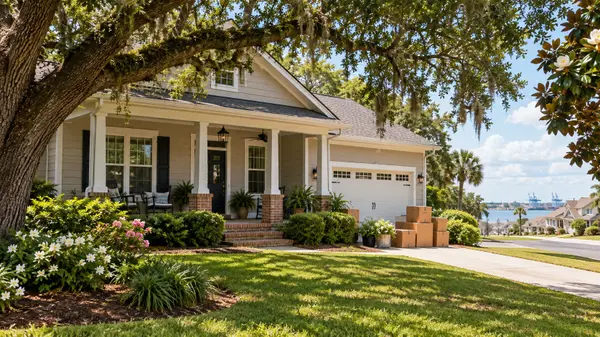
Mobile, AL Relocation Guide: Everything Before the Move
Mobile, AL offers a comparatively attainable entry point to Gulf Coast living, with a median owner-occupied home value of $193,300 in the Census Bureau's 2020-2024 estimates. A move here means weighing housing choices, school options, commute patterns, weather, and recurring ownership costs. This Mobile, AL relocation guide explains what daily life can look like, what to budget for, and how to narrow your neighborhood search before moving.
Mobile, AL Relocation Quick Reference
Median home value: $193,300 for owner-occupied homes in the 2020-2024 Census estimates. This measures what owners estimate their homes are worth rather than current closed-sale prices. (U.S. Census Bureau, 2020-2024 American Community Survey)
Recent sale prices: Homes in the city of Mobile sold for a median of about $225,000 over the three months ending September 2026, up 1.3% from the same period a year earlier, based on aggregated MLS data.
Median household income: $53,558 in 2024 dollars, based on the Census Bureau's 2020-2024 estimate for the city of Mobile.
Population: The city of Mobile had an estimated 200,824 residents as of July 1, 2025, according to Census population estimates. Its size supports urban amenities while keeping many daily destinations within a relatively compact area.
Average commute: Workers age 16 and older reported a mean travel time to work of 22.8 minutes in the 2020-2024 Census estimates, compared with 26.4 minutes nationally. Actual drive times vary by job location, especially for downtown, Brookley, port-related, and western employment areas.
Big relocation draw: Mobile's strongest draw is the combination of relative housing affordability, established employment clusters, and access to Mobile Bay, historic districts, festivals, parks, and Gulf Coast recreation.
Mobile, AL Relocation Guide: Key Numbers
Mobile combines a moderate housing-value benchmark with short average commutes and a broad employment base.
| Metric | Value | Source and Period |
|---|---|---|
| Median owner-occupied home value | $193,300 | U.S. Census Bureau, 2020-2024 |
| Median sale price | About $225,000 | Aggregated MLS data, three months ending September 2026 |
| Year-over-year sale-price change | +1.3% | Aggregated MLS data, three months ending September 2026 |
| Median monthly owner costs (with a mortgage) | $1,409 | U.S. Census Bureau, 2020-2024 |
| Median household income | $53,558 | U.S. Census Bureau, 2020-2024 (2024 dollars) |
| Population | 200,824 | U.S. Census Bureau, July 1, 2025 estimate |
Why People Are Moving to Mobile, AL
People move to Mobile, AL for a mix of housing accessibility, established employment, and year-round Gulf Coast lifestyle options. The Census Bureau's 2020-2024 estimate places the city's median owner-occupied home value at $193,300, well below the U.S. figure of $332,700 for the same period. That difference does not make every neighborhood inexpensive, but it gives many relocating households more room to compare home styles, commute routes, and ongoing costs. Some newcomers also choose to rent first while they learn the area, and the math behind renting versus buying in Mobile can help clarify which route fits a given timeline.
Employment is another practical factor. Aerospace activity around the Mobile Aeroplex at Brookley includes Airbus and related aviation suppliers and service firms. Austal supports Mobile's maritime manufacturing base, while the Port of Mobile remains central to freight, logistics, trade, and industrial activity. Health care, education, construction, and public services also provide a broad local employment mix.
Lifestyle is equally concrete. Downtown restaurants, Mardi Gras traditions, Mobile Bay access, historic architecture, and nearby outdoor destinations offer more variety than a purely suburban move.
Mobile, AL Housing Costs in Context
The following comparison uses 2020-2024 Census estimates. The property-tax notes follow guidance from the Alabama Department of Revenue.
| Area | Median owner-occupied home value | Median monthly owner costs (with a mortgage) | Median gross rent | Median household income | Property tax context |
|---|---|---|---|---|---|
| City of Mobile, AL | $193,300 | $1,409 | $1,068 | $53,558 | Owner-occupied residential property is generally assessed at 10% of appraised value before local millage and exemptions |
| Mobile County, AL | $190,700 | $1,404 | $1,052 | $58,880 | Rates vary by municipality, taxing district, and exemptions |
| United States | $332,700 | $1,963 | $1,413 | $80,734 | Varies by state and local jurisdiction |
These figures are useful benchmarks, but they are not a quote for any specific home. Insurance, flood exposure, and the age of a property can move monthly costs more than the purchase price alone.
Housing Market Overview
Mobile, AL offers buyers several housing formats, with the best value depending on location, condition, insurance considerations, and daily travel needs. Single-family homes are the most common choice across the city, ranging from historic cottages and older homes to newer suburban-style properties. Condos are more concentrated near central, waterfront, and amenity-oriented areas, while townhomes can appeal to buyers seeking a lower-maintenance footprint. Buyers leaning toward less upkeep may find it helpful to compare condo and low-maintenance options in Mobile before committing to a single-family search.
Over the three months ending September 2026, homes in the city sold in a median of about 45 days, compared with 41 days a year earlier, and typically closed at roughly 97% of list price. That pace gives relocating buyers a bit more time to compare options, though well-priced homes in popular areas can still move quickly. Rather than relying on one broad number, compare active competition, renovation needs, lot size, insurance costs, and drive time for the specific home.
New construction and redevelopment activity can appear in different parts of the Mobile area, though available options change quickly.
Neighborhoods and Communities in Mobile, AL
Mobile neighborhoods differ meaningfully in housing style, street character, and access to work or amenities. These profiles are lifestyle overviews to help you decide where to start touring.
Midtown suits buyers who value established streets, mature trees, character homes, and proximity to central Mobile. Housing includes cottages, historic properties, and homes with varied renovation needs. It can fit households that want access to downtown dining, cultural venues, and medical employment areas.
Spring Hill appeals to buyers seeking an established residential setting with a quieter rhythm. Housing styles vary, and the area can work for households prioritizing access to shopping, schools, and central-west Mobile amenities.
Downtown Mobile fits people who prefer historic architecture, restaurants, local events, and a shorter route to the business core. The housing mix can include renovated historic homes, apartments, and condo-style options.
West Mobile offers a more suburban pattern with shopping, services, newer housing pockets, and major road connections. It can suit first-time buyers, remote workers who want more space, and households with flexible work locations.
Oakleigh Garden District attracts buyers drawn to historic homes and neighborhood character near downtown. Older properties can require careful budgeting for maintenance, renovations, utilities, and address-specific insurance needs.
Jobs and Economy
Mobile's economy is anchored by aerospace, shipbuilding, port activity, health care, education, logistics, and manufacturing. Airbus and associated aviation operations are important around Brookley, while Austal remains a major part of the city's maritime manufacturing presence. The Port of Mobile supports transportation, warehousing, trade, and industrial services across the region, and the commercial growth tied to the port and Brookley continues to shape where jobs cluster.
The Mobile metropolitan area had a preliminary unemployment rate of 4.4% in August 2026, while Alabama's statewide rate was 3.4% in the same period, according to the U.S. Bureau of Labor Statistics. Relocators should evaluate those figures alongside hiring conditions in their field and the commute required for a specific job site.
Mobile's median household income was $53,558 in 2024 dollars in the Census Bureau's 2020-2024 estimates. The city's mix of large employers, public institutions, and smaller businesses can create options across multiple sectors, which matters for healthcare professionals, educators, and first responders weighing a move, although work locations are spread across the metro area.
Schools and Education
Mobile is served primarily by Mobile County Public Schools, a large district with traditional, magnet, career-technical, Advanced Placement, dual-enrollment, and specialty programs. Families can explore options such as Barton Academy for Advanced World Studies, Phillips Preparatory School, Davidson High School, and LeFlore Magnet High School.
School assignment, capacity, transportation, application requirements, and program availability can depend on the specific home address and grade level. Families should verify boundaries and enrollment details directly with Mobile County Public Schools before making a final housing decision.
Higher-education options include the University of South Alabama, Spring Hill College, and Bishop State Community College. These institutions support local workforce development in health care, engineering, skilled trades, business, and professional services.
Climate and Lifestyle
Mobile has a humid subtropical climate with long warm seasons, mild winters, frequent rainfall, and high summer humidity. National Weather Service Mobile uses the 1991-2020 climate-normal period for local comparisons. Summer weather is commonly hot and humid, while winter conditions are generally mild relative to much of the country.
Outdoor life centers on Mobile Bay, the Mobile-Tensaw Delta, local parks, boating, fishing, walking routes, and seasonal events. Bienville Square, Langan Park, Mobile Botanical Gardens, and Bellingrath Gardens and Home are established options for time outdoors. For the everyday side of settling in, this overview of groceries, healthcare, and daily routines in Mobile fills in more detail.
Relocators should plan for cooling costs, storm preparation, and address-specific insurance research. Tropical systems, heavy rain, and flood exposure can affect ownership costs, particularly for properties in lower-lying or coastal-influenced locations. The National Weather Service Mobile provides local climate reporting and weather resources.
What to Budget Beyond the Purchase Price
Property taxes: Alabama generally assesses owner-occupied single-family residential property at 10% of appraised value before local millage and applicable exemptions. The final bill depends on the exact taxing district.
Homeowner's insurance: Premiums can vary substantially by roof age, construction, deductible, wind exposure, and location. Obtain address-specific quotes early in the home search.
Flood coverage: Homes in designated flood zones may require flood coverage through a lender. Confirm flood-map status and estimated premiums before setting a monthly housing budget.
Utilities: Cooling can be a meaningful expense during Mobile's humid warm season. Ask for recent utility history when available and consider the home's size, insulation, age, and HVAC condition.
HOA fees: Some planned communities and condo properties have recurring association fees. Confirm the current fee, rules, reserve information, and any announced special assessments.
Mobile, AL Relocation Decision Framework
This checklist pulls the key relocation factors together so you can compare specific homes and neighborhoods within Mobile. Housing-value and commute figures use 2020-2024 Census estimates, while the remaining categories call for address-level research.
| Factor | What Mobile Offers | What to Verify for a Specific Home |
|---|---|---|
| Home values | $193,300 median owner-occupied value, 2020-2024 | Recent comparable sales on the same street or subdivision |
| Monthly ownership costs | $1,409 median owner costs with a mortgage, 2020-2024 | Taxes, insurance quote, flood status, HOA dues, utilities |
| School options | Large countywide district with traditional, magnet, and career pathways | Attendance zone, magnet eligibility, transportation |
| Commute | 22.8-minute mean commute, 2020-2024 | Peak-hour drive time to your workplace |
| Climate risk | Heat, heavy rain, tropical systems, and address-specific flood exposure | Elevation, drainage, roof age, wind mitigation features |
| Lifestyle fit | Historic urban setting, bay access, central Gulf Coast location | Proximity to the parks, dining, and services you use most |
Ready to Make Your Move to Mobile, AL?
Use this Mobile, AL relocation guide as a starting point, then confirm address-specific costs, school assignment details, commute routes, and insurance needs before choosing a home. A careful comparison of neighborhoods, home condition, and recurring expenses can help make the move more predictable and better aligned with your daily priorities.
Sheri Jones of Foundation First Real Estate helps individuals and families relocating to Mobile sort through neighborhoods, insurance considerations, commute routes, and the trade-offs between historic and newer homes, often before they arrive in town. When you are ready to compare specific options, browse homes across Mobile, call or text (251) 377-5974, email sheri@tomandsherijones.com, or send a note through the contact page.
Frequently Asked Questions About Moving to Mobile, AL
Is Mobile, AL a good place to live?
Mobile can be a strong fit for people seeking Gulf Coast access, established neighborhoods, and a comparatively moderate housing entry point. The Census Bureau estimated the city's median owner-occupied home value at $193,300 for 2020-2024, and workers reported a mean commute of 22.8 minutes. The right fit depends on your job location, preferred neighborhood setting, and comfort with weather-related ownership costs.
How affordable is housing in Mobile, AL?
Mobile's $193,300 median owner-occupied home value in the 2020-2024 Census estimates was well below the U.S. figure of $332,700 for the same period. Recent sales over the three months ending September 2026 had a median price of about $225,000. Prices can vary substantially by neighborhood, condition, lot size, and proximity to amenities, so compare actual homes alongside taxes, insurance, utilities, and commuting needs.
What are the job prospects in Mobile, AL?
Mobile has employment clusters in aerospace, maritime manufacturing, port operations, health care, education, logistics, and advanced manufacturing. The Mobile metropolitan area had a preliminary unemployment rate of 4.4% in August 2026, according to the U.S. Bureau of Labor Statistics. Job prospects vary by occupation, so relocators should confirm hiring conditions and commute expectations in their field.
What should I know about schools in Mobile, AL before moving?
Mobile County Public Schools offers traditional, magnet, career-technical, Advanced Placement, dual-enrollment, and specialty programs. Attendance boundaries, program eligibility, capacity, and transportation may depend on your prospective address. Confirm district and school details before selecting a neighborhood.
What are the biggest costs to budget for when relocating to Mobile, AL?
Beyond the home price, plan for property taxes, insurance, utilities, possible flood coverage, moving expenses, and HOA fees where applicable. Alabama generally assesses owner-occupied single-family residential property at 10% of appraised value before millage and exemptions. Address-specific insurance quotes are important because wind, rain, and flood exposure can materially affect monthly costs.
Recent Posts