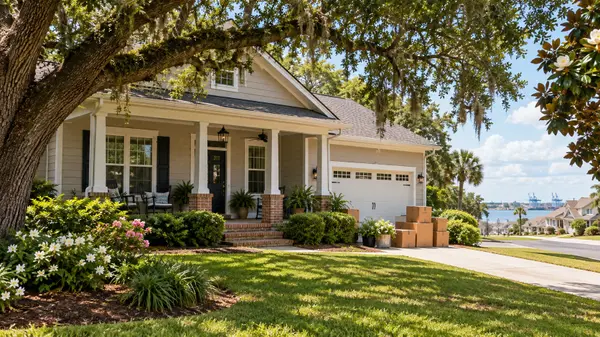
Selling a Home in Biloxi, MS
Selling a home in Biloxi, MS requires accurate pricing, thoughtful preparation, and a clear understanding of what makes the Gulf Coast market distinct. Across the Gulfport-Biloxi metro, the median days on market reached 73 days as of July 2026 (aggregated listing data, Gulfport-Biloxi-Pascagoula CBSA), and sellers who price strategically and prepare their homes for coastal buyers consistently close on their terms. This guide walks through every stage, from your first pricing conversation to the closing table under Mississippi's attorney-supervised process.
How the Biloxi Real Estate Market Stands in 2026
Biloxi's market has shifted toward balance, and sellers need to understand what that means before setting a list price. Active inventory across Harrison County has grown year over year, giving buyers more options to compare before committing. Pricing discipline now matters more than it did during the high-demand years of 2021-2022, when nearly anything listed moved quickly regardless of condition.
The underlying numbers remain encouraging for sellers. Harrison County's median sale price tracked near $260,000 in the spring of 2026 (aggregated MLS listing data, three months ending May 2026), with year-over-year appreciation running in the low-to-mid single digits. Homes that are priced accurately and presented well continue to attract offers. Those sitting on the market typically share one characteristic: they launched above what buyers were willing to pay.
For sellers in the $180,000-and-above range, Biloxi offers a capable and motivated buyer pool. Buyers at this tier are generally pre-qualified and familiar with Gulf Coast carrying costs, including the insurance considerations specific to this region.
Pricing Your Biloxi Home: The Most Important Decision You Will Make
Accurate pricing is the foundation of a successful Biloxi home sale. Overprice at launch and you train buyers to wait for a reduction. Underprice and you leave money behind that could have been yours.
A Comparative Market Analysis draws on recently closed homes in your neighborhood, adjusted for size, condition, lot characteristics, and coastal variables including flood zone designation and elevation. This is a different exercise from what an automated online estimate provides. Automated tools rely on general patterns and cannot account for the nuances that define value in a coastal community.
When reviewing your pricing, recently sold homes in Biloxi show what buyers have actually paid, not just what sellers initially asked. Sale-to-list ratios in the Gulfport-Biloxi area were running slightly below asking on average through mid-2026, which means your list price should factor in some negotiating room without conceding ground you do not need to give.
Key pricing variables specific to Biloxi:
- Flood zone designation: Properties in FEMA-designated high-risk zones (Zone AE and Zone VE are both present in coastal Biloxi) carry mandatory flood insurance requirements for buyers with federally backed mortgages. A lower-risk designation is a tangible selling advantage worth communicating clearly in your listing. You can look up any property's official flood zone status through the FEMA Flood Map Service Center.
- Elevation certificate: A current elevation certificate documents your property's actual elevation relative to the modeled flood level. If it demonstrates lower-than-assumed risk, it can reduce the flood insurance cost a buyer will carry, which broadens your qualified buyer pool.
- Post-Katrina construction and upgrades: Biloxi rebuilt to stronger codes after 2005. Homes with hurricane straps, impact-resistant windows, or elevated foundations attract buyers who understand what those upgrades cost and what they protect against. Document them.
Preparing Your Biloxi Home for Sale
Preparation positions the property so buyers can picture themselves in it, and so nothing in its condition triggers a price renegotiation after an offer arrives.
Start with curb appeal. Salt air, heat, and Gulf Coast humidity accelerate paint fade, wood deterioration, and landscaping overgrowth. Fresh exterior paint, cleaned gutters, trimmed vegetation, and pressure-washed driveways create an immediate impression that carries through the entire showing.
Fix deferred maintenance. Running faucets, sticking doors, cracked window caulking, and soft spots in flooring signal neglect to a careful buyer. All are inexpensive to address before listing photos are taken, and all become negotiating leverage in a buyer's hands if left unresolved.
Neutral interiors photograph and show better. Bold paint colors, dated fixtures, and heavy furniture make spaces feel smaller and harder for buyers to visualize as their own. Neutral tones, decluttered rooms, and consistent lighting work across every price point.
Professional photography is standard, not optional. Buyers narrow their shortlist online before scheduling a single in-person showing. Coastal homes that highlight natural light, screened porches, and outdoor living spaces earn more clicks and more showings when photographed well.
Stage outdoor spaces. Patios, covered porches, and any view of the water are selling features specific to Biloxi. Present them as livable rooms rather than overflow storage.
What Selling Costs Look Like in Mississippi
Before accepting an offer, you need a clear picture of what you will net after all costs are settled. Mississippi has a few structural features that work in sellers' favor alongside the standard expenses.
| Cost Item | Typical Range | Notes |
|---|---|---|
| Agent commission | 5% to 6% of sale price | Covers listing side and buyer-side representation; commission structures have been evolving since the August 2024 NAR settlement changes |
| Attorney fees | ~$750 to $1,250 (flat fee) | Standard residential closings; complex transactions may fall outside this range |
| Prorated property taxes | Varies by closing date | Harrison County collects annually; seller pays through closing date |
| Seller concessions | Up to 3% of purchase price | Capped at 3% on conventional loans with less than 10% down; negotiated with buyer |
| Owner's title insurance | Customarily buyer-paid | Negotiable depending on market conditions |
| Statewide transfer tax | None | Mississippi does not impose a statewide real estate transfer tax (as of 2026) |
Attorney involvement at closing. In Mississippi, real estate closing is classified as the practice of law, meaning a licensed attorney is typically involved in overseeing the settlement: reviewing documents, managing fund disbursement, and recording the deed with Harrison County. For most standard residential transactions, this role is filled on a flat-fee basis. For more on how commission structures are shifting in the current environment, Mississippi REALTORS guidance covers the key practice changes relevant to both buyers and sellers statewide.
Seller concessions in context. When a buyer requests a closing cost credit as part of their offer, knowing the conventional loan cap (3% of purchase price for buyers putting less than 10% down) helps you compare offers with and without concessions on equal footing.
For a personalized estimate of your net proceeds, requesting a comprehensive home evaluation gives you a accurate starting point before committing to a list price.
Listing, Showing, and Negotiating Offers
The listing-to-offer stage in Biloxi typically unfolds across three decisions: timing your launch, managing showings, and evaluating what each offer actually means for your net proceeds.
Timing your listing. Spring consistently brings the strongest buyer activity to the Gulf Coast, as tax refunds give buyers the cash cushion they need for down payments and closing costs. Military relocations connected to Keesler Air Force Base generate motivated buyer traffic year-round, however. Because military families often weigh housing options across neighboring military hubs along the coast, understanding regional military buyer trends, much like those outlined in our overview of Mobile, AL neighborhoods for military and VA buyers, helps sellers position their home effectively to military buyers looking throughout the area. Furthermore, Biloxi's retiree and second-home buyer segment does not follow a strict seasonal window.
Managing showings. Plan for requests with relatively short notice. A home that is available consistently and presents well will accumulate more traffic than one requiring extended scheduling windows.
Evaluating offers. Price is one variable. Financing type matters separately: conventional, FHA, VA, and cash offers each carry different timelines and risk profiles that affect your actual proceeds. Earnest money amount, proposed closing date, and any requested concessions further shape what you net. A strong cash offer at a slightly lower price may outperform a financed offer with concessions once you model the actual proceeds.
Negotiating. In a more balanced market, expect buyers to negotiate. A buyer who comes in below list price is not necessarily a weak buyer. How they are financed and how clean their contract is matters as much as the opening number. The goal is a contract that closes, not just a number that looks good at signing.
The Closing Process in Mississippi
Once you have an executed contract, the transaction typically moves from contract to close in approximately 30 to 45 days, though the timeline depends on the buyer's financing type and whether any title issues surface.
Title search. Your closing attorney conducts a title search to confirm clear ownership and that no liens, unpaid taxes, or encumbrances affect the property. Resolve any title issues as early as possible. They are easier to address before a closing date is locked in than after.
Buyer's loan process. If the buyer is financing, their lender is running a parallel process. Delays in the buyer's loan are common and often do not indicate the deal is at risk. Your agent will keep you informed as milestones are met.
Final walk-through. Buyers typically schedule a walk-through in the day or two before closing to confirm the property's condition matches the contract. Leave the home in the same condition it was in when the offer was accepted.
Closing day. A licensed Mississippi real estate attorney oversees the settlement process. Their responsibilities typically include:
- Reviewing title and confirming all contractual conditions are satisfied
- Managing disbursement of funds to all parties
- Recording the deed with Harrison County
Your net proceeds arrive after all payoffs, commissions, prorations, and fees are settled. Reviewing comprehensive seller information guidance outlines what to expect at each stage, from the first valuation conversation through recording.
Frequently Asked Questions About Selling a Home in Biloxi, MS
How long does it typically take to sell a home in Biloxi?
Timelines vary based on price, condition, and how accurately the home is priced from the start. Across the Gulfport-Biloxi-Pascagoula metro, the median days on market ran 69 to 73 days in June and July 2026 (aggregated listing data, Gulfport-Biloxi-Pascagoula CBSA). That figure covers the period from list date through to closing. Move-in-ready homes priced in line with recent comparable sales tend to go under contract considerably faster, while homes that require price reductions effectively restart their clock and can add weeks to the total timeline.
What are the main costs a seller pays in Mississippi?
Agent commission is typically the largest single expense, running in the 5% to 6% range of the sale price under traditional full-service arrangements. Beyond commission, sellers generally cover a prorated property tax credit at closing, attorney fees for their representation during settlement, and any concessions agreed upon with the buyer. One structural advantage: Mississippi charges no statewide real estate transfer tax, so that line item, which appears on closing disclosures in many other states, simply does not exist here.
Does a flood zone designation affect a Biloxi home sale?
A high-risk FEMA flood zone designation (Zone AE or Zone VE) does not prevent a sale, but it shapes buyer calculations. Buyers financing with a federally backed mortgage on a property in a high-risk zone are required to carry flood insurance, which adds to their monthly carrying cost. Sellers with an elevation certificate showing a lower actual flood risk, or with documented post-storm code upgrades such as elevated foundations or hurricane straps, can use that documentation to support their asking price and broaden their buyer pool. Flood zone status is a negotiating variable, not a disqualifier.
Is a real estate attorney involved at closing in Mississippi?
Mississippi classifies real estate closing as the practice of law, which means a licensed attorney is typically engaged to oversee the settlement on residential transactions. The attorney's role covers reviewing title, managing fund disbursement, and ensuring the deed is properly recorded with the county. For most standard residential closings, attorney fees run on a flat-fee basis in the general range of $750 to $1,250, though more complex transactions such as estate sales or closings involving title complications may fall outside that range.
What makes selling a home in Biloxi different from other Mississippi markets?
Biloxi sellers navigate flood zone designations, elevation certificates, wind mitigation documentation, and post-Katrina construction standards, variables that simply do not apply in inland Mississippi markets.
Buyers in this market often factor in the total cost of ownership, including homeowners, wind, and potentially flood insurance, when evaluating what they can afford to offer. A seller who understands those dynamics and can document how their property addresses them is in a meaningfully stronger negotiating position than one who leaves buyers to work it out on their own.
Recent Posts